How to deploy a secure SMB Cloud Infrastructure with Acronis Cyber Frame
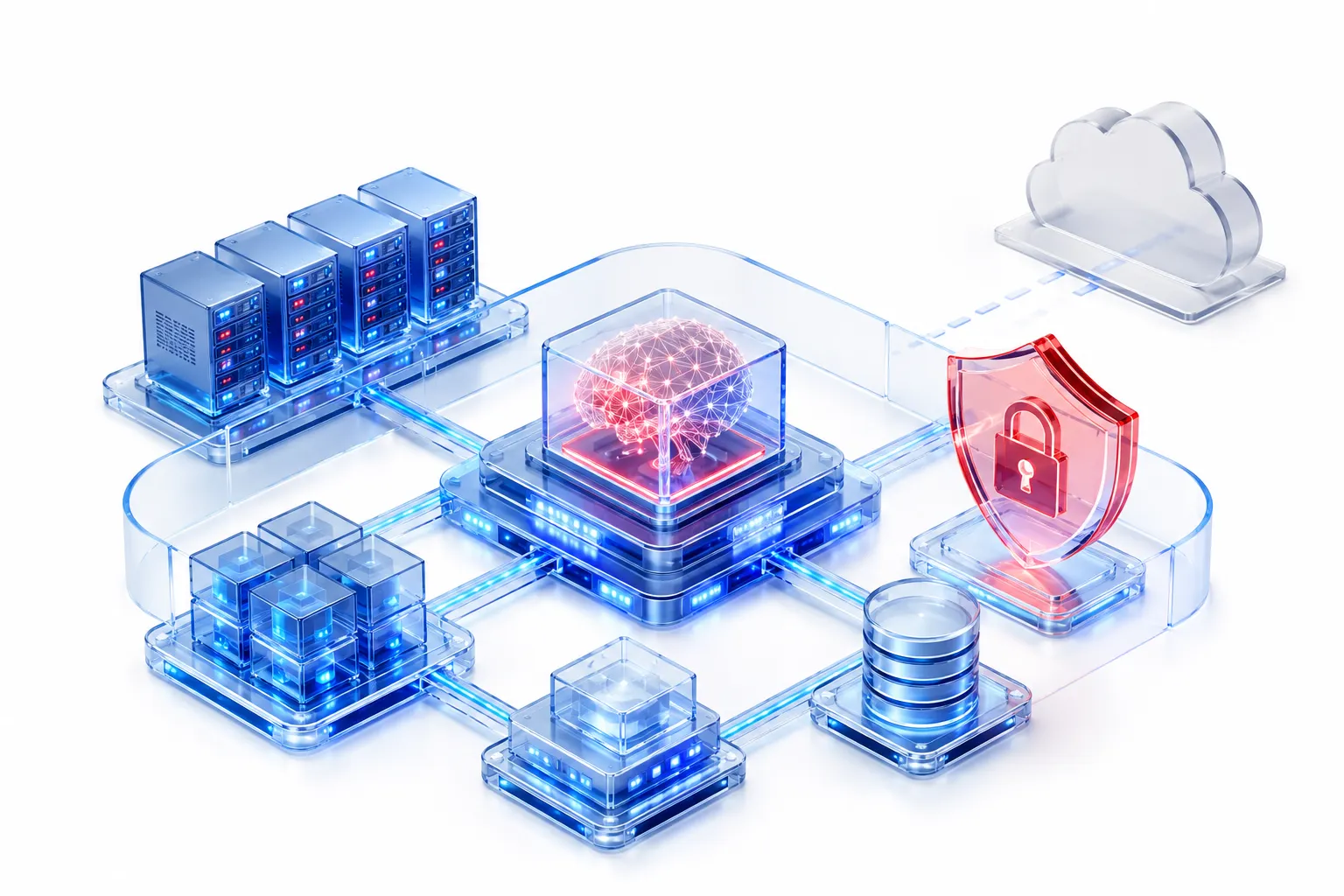
Acronis has introduced its new Infrastructure-as-a-Service (IaaS) offering: Acronis Cyber Frame, a turnkey hyperconverged and virtualized infrastructure solution designed specifically for Managed Service Providers (MSPs). This opens up the possibility of hosting and managing customer infrastructures directly from a single interface since the service is natively integrated with the broader Acronis ecosystem.
All infrastructures deployed on Cyber Frame are automatically backed up to the Acronis Cloud. There is no backup infrastructure to build, no agents to deploy, and no backup policies to configure before obtaining a first level of protection. As soon as virtual machines and workloads are running, backup protection is already in place. Beyond backup, all deployed workloads are automatically visible within the console, allowing MSPs to easily apply additional protection plans such as DR, EDR, RMM, and all other cyber protection services.


Building my Cyber Lab (3/3) — The Arsenal: Offensive Security Toolkit

Our scenario is now fully prepared. We have our attacker machine with Kali Linux and our target with a poor and intentionally vulnerable Metasploitable VM. There is only one thing left to choose: the weapon. And this is exactly where Kali Linux shines. It comes preloaded with a massive arsenal of offensive security tools designed for penetration testing, vulnerability assessment, reconnaissance, exploitation, post-exploitation, wireless attacks, web security testing, and digital forensics.

Building my Cyber Lab (2/3) – Preparing the Victim: Metasploitable 2

Despite years of security awareness, many organisations still run systems that are trivially exploitable. In this lab, we intentionally embrace insecurity to better understand it. For that, we need an intentionally vulnerable machine specifically created for penetration testing and cybersecurity training. This is exactly the role of Metasploitable 2.

Building my Cyber Lab (1/3) – Setting Up the Attacker: Kali Linux on Proxmox

Kali Linux is one of the most popular distributions for penetration testing and offensive security. It comes preloaded with hundreds of security tools used for network analysis, vulnerability assessment, exploitation, wireless testing, password auditing, web application testing, and much more. It’s a ready-to-use environment designed specifically for cybersecurity professionals and enthusiasts like us.

Breaking down a fully AWS-Powered Business Architecture

AWS offers an incredible ecosystem of cloud services. Today, it’s possible to build and manage an entire online business using AWS alone, from hosting and authentication to databases, storage, monitoring, and scalability. One of the most impressive aspects of AWS is how easily its services integrate together. Even without advanced software engineering skills, you can rapidly deploy scalable and production-ready architectures using AWS managed services.

Building a Resilient Disaster Recovery Plan for Proxmox with Acronis

Since Broadcom acquired VMware, more and more service providers have started looking for alternatives and Proxmox has quickly become one of the most popular choices. The good news? Acronis fully supports Proxmox environments and makes it possible to build a complete Disaster Recovery strategy with backup, failover, orchestration, and automated testing.

Building a Self-Hosted WordPress Blog on AWS.

Here we are! My very first post! And what better way to kick things off than by breaking down the infrastructure behind this blog from scratch? In this article, I’ll walk you through how everything is built: from domain management with GoDaddy, to DNS configuration with AWS Route 53, all the way to hosting on AWS Lightsail and running WordPress. A complete, hands-on breakdown of the architecture, the choices behind it, and why each piece fits into the bigger picture.